

Christmas has a reputation for being the most magical winter holiday, but I think it’s time that New Year’s gets the recognition it deserves for being a celebration for renewal, and a time for hopes and dreams. Leading up to New Year’s Eve, I like to reflect on how my previous resolutions worked out and think hard about what I’d like to achieve for the next year.
I usually set resolutions for my career, personal growth, and the betterment of the world, but in recent years I’ve also set reading resolutions, or “reading goals”. This is just a SMART goal (an acronym that stands for Specific, Measurable, Achievable, Relevant, and Time-bound) focused on reading. The most common goal is to read a set number of books by the end of the year, but there are so many variations that readers (and those looking to get back into reading) can explore.
In this article, we’ll touch on the different kinds of reading goals you can set in 2026, methods for tracking your goals throughout the year, and provide some tips to help you achieve them–including fun challenges to motivate you!
Types Of Reading Goals For 2026

In the past, some of my personal reading goals have included creating a book blog for reviews, only shopping at independent bookstores, only using the library when looking for new books to read, and creating my own digital reading journal (this one hasn’t panned out just yet, but maybe 2026 will be my year).
Below are a few examples of common reading goals for readers going into 2026:
Read # of books by December 31
Read # of books per month
Read # of pages per week
Read # of banned books
Diversify your reading (choosing books by BIPOC and/or queer authors, or books in new or unfamiliar genres, for example)
Read # of (or only) physical books you already own (trying to conquer that mutating to-be-read pile is always a worthy goal)
Start a reading journal
Join/start a book club
Many readers, including me, are guilty of adjusting their reading goals throughout the year. For example, I might start my end-of-year reading goal on the lower side and find myself nearly reaching it by March or June, in which case, I’ll increase the number.
If you’ve set a goal and feel like you won’t reach it, there is nothing wrong with pivoting (even if you have to decrease the number at the beginning of December). Remember, a SMART goal is specific, measurable, and achievable. If you have a reading goal that you can’t pivot from, try not to think of it as having failed. Think of it as having gained more experience so that you can be more successful next year! That’s the attitude I’ll be bringing to my next attempt at creating a digital reading journal.
Resources & Tools For Tracking Goals
There are several ways to track your reading goals, ranging from apps, websites, and free templates. Here are a few examples:
Reading Tracker Apps/Websites


These are just three examples; new reading tracker apps/websites are being developed all the time. Feel free to try as many out as you need until you find the right fit! Other options include Bookly, Bookmory, ReadTracker… I could honestly list endlessly, but I recommend checking out this blog as well, which dives into the pros and cons of three additional book tracking apps.
Most reading trackers calculate the number of books needed to stay on track to reach a yearly goal, but if yours doesn’t, definitely suggest it to the developer. It’s an invaluable tool to stay on track!
Templates/Other Tracking Options

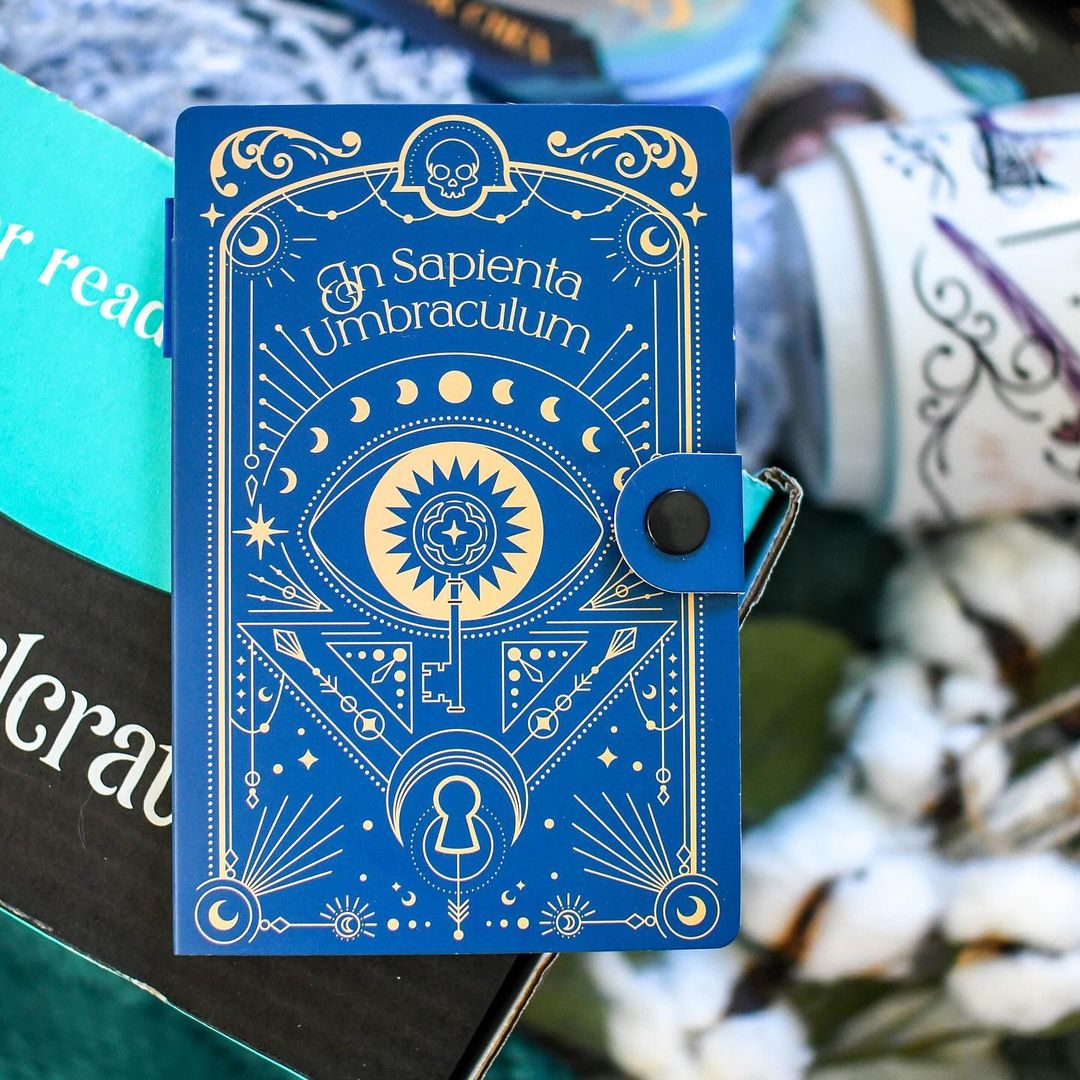
OwlCrate sells yearly reading journals for those who prefer to track their bookish habits manually. The only downside is that any statistical data will also have to be done manually!
Most bookstores these days sell their own version of book journals. You can visit your local independent bookstore to explore options on offer. Check your local library to see if they have any free reading tracker templates; mine does, but it’s usually geared toward encouraging youth to read more.
The Nest Reading Spreadsheet is a true work of art. I have not seen a more functional, data-driven spreadsheet in my whole life. My favourite data point is the book cost, so I can see how much money I saved by using my library. This option may be a tad intimidating for someone new to book tracking. I’ve given up a few times myself, but it’s definitely aspirational for reading goals!
While the culture of “there’s an app for that” seems convenient, I completely understand how some people would prefer to be more involved with their tracking. It can be more fun and involved for those who have the time, so if you’re one of those people, definitely give it a try!
Tips For Setting Effective Reading Goals You Can Achieve In 2026
I’ve got some advice on practical and motivational ways to reach your reading goals by the end of 2026, some of which I’ve found personal success with and others that have worked for friends of mine who only recently started their own reading journey.
Start Small
If reading is a new habit, try starting small with your initial goal.
This could mean setting a low number of books to read by the end of the year, or committing to reading 1-2 books per month to start.
Starting small could also mean picking books on the shorter side, say 300 pages or less!
Join a Book Club

Having a set book and a group of people depending on you to read it may be motivational for some, even if it doesn’t work for me, personally! Start your own club with friends, see if your local library hosts one, or try to find an online group to get started. Be sure to check out the Words & Whimsy Book Club on The Nest to get inspired.
If having an assigned book isn’t for you (I am a mood reader, which is why book clubs rarely work out for me), try seeing if there is a Silent Book Club chapter near you, or look to start your own at silentbook.club/pages/chapter-map!
Silent Book Clubs are BYOB (bring-your-own-book) and don’t include a discussion period. They’re a great way for introverted readers to find a space to meet like-minded individuals.
Buddy Read
There’s something about having a friend hold you accountable to something that increases your rate of success. If the formality (and large group size) of a book club isn’t for you, a buddy read might be the solution for you!
The premise is that you and your friend read the same book at the same time and chat about what you’re reading as you go. Each reader can go at their own pace, just make sure you’re clear on your spoiler expectations!
OwlCrate Readalong

OwlCrate Readalongs are hosted on The Nest, with two readalongs per month, each lasting eight days, for OwlCrate’s Adult Fantasy and Young Adult Fantasy subscription books. It’s a chapter-by-chapter club read with mini games and discussions, but don’t worry, readers can take it at their own pace!
Participating in a readalong could lead to winning a gift card to spend on the OwlCrate shop, and you don’t have to be an OwlCrate subscriber to play! One of the first mini challenges of a readalong is usually to share how you'll be reading the book, so feel free to brag about your library copy as much as you want.
Sprints and Spirits
This is one of my favourite ways to tackle my personal reading goals, and it's also one of the ways my partner motivates me to drink more water.
A reading sprint, for those who don’t know, is a focused period of time dedicated to reading. These can be done individually or in a group. The spirits part of this is well… a drinking game.
To play, you need at least one other person, a list of prompts, and drinks. During the sprint, when a reader encounters a prompt, they assign someone to take a sip.
It’s best to tailor prompts to the book(s) being read so that there’s actual gameplay. For example, if you’re both reading a fantasy book, one prompt can be “a character is wounded” or “someone builds a fire,” etc. I recommend 5-8 prompts, as this works best.
Please note that the drinks can be anything you prefer. No one should ever feel pressured to drink alcohol. As I mentioned, my partner and I do a Sprints and Spirits session when I need to drink more water.
Reading Marathon or Retreat

The intention behind a reading marathon or retreat is to limit distractions. This is specifically a day or weekend set aside to unplug and commit oneself to reading. This activity can be done individually or in a group at home or during a hotel/vacation booking.
I personally like to book a hotel with room service, but I know it’s not realistic for everyone. You don’t need a hotel or a getaway; you just need to be intentional with your time and have a stack of books ready. Oh, and snacks! I guess a cozy blanket and a pile of pillows wouldn’t hurt either.
If you do want to commit to being screen-free during the marathon/retreat, make sure to let people know in advance so they don’t worry!
Mix Your Formats
Despite a lot of online discourse, we don’t need to get bogged down in what “counts” as reading, but I’ll make my opinions known... Audiobooks count as books... Graphic novels count as books... They both count toward your reading goal. We’re not gatekeeping this stuff.
So, what do I mean by mixing your formats? Reading burnout does exist, and it’s not always convenient to have a physical book on hand, like when you’re commuting to work (by driving, taking public transit, or walking). In these situations, there are still ways to get some reading done. Audiobooks aren’t for everyone, but they’re great for walking and all forms of commuting.
I recommend you opt for a full cast audiobook, for a more immersive experience! If you’re new to audiobooks, start with a book you’ve read before, and definitely try your library options before committing to paid services.
I personally don’t like to take my books on public transit, so I find eBooks to be a great format (thank you to my public library for having both Libby and Hoopla to meet my eBook and Audiobook needs) to get an extra hour and a half of reading done on my commute.
Changing the types of content you’re reading can also help. For example, switching to a graphic novel or a book of poetry can provide a much-needed break between novels to prevent reading burnout.
Tips For If You’re Falling Behind

Focus on shorter books (novellas of about 100-150 pages) or consider reading a few graphic novels or poetry books.
Revisit a childhood favourite. I personally loved the Winnie the Pooh books growing up, and they don’t take long to read. Alternatively, if there’s a popular children’s book you never read growing up, this is your chance to check it out!
Consider pivoting your goal. We can’t predict what kind of year we’re going to have. There is no shame in re-assessing at any point.
Reading Challenges To Join In 2026
A challenge is an excellent way to help readers achieve their reading goals by making reading a little more fun and playful. Below, I’ve included a few reading challenges that I’ve enjoyed in the past, starting with:
Words & Whimsy Reading Challenge powered by OwlCrate
This monthly reading challenge typically runs from the first to the twenty-fifth of each month. Every month has a different theme, and reader sign-ups (via Google Form) typically begin on the 29th of the month, coinciding with the theme reveal.
Readers can sign up to play at any time during the month, so if you happen to be out of town or unable to sign up until the challenge has already started, you don’t have to worry!
Players earn points by reading books that fall under 20 or 10 point prompts, or titles from the 5 point book Google Sheet, writing reviews, participating in creator challenges (photo/video prompts, which is an excellent way to get started if book-fluencing is a goal), and bonus challenges.
The Words & Whimsy Reading Challenge is also a wonderful way to get more involved with the online bookish community. Each team will always have 1-2 moderators and a dedicated group. From my experience with Words & Whimsy, every participant is more than happy to help interpret the theme/prompts, which I love.
In 2024, one of my personal reading goals was to be on a first-place winning Words & Whimsy team. Spoiler: I was on a first-place team MORE than once that year, which was a huge achievement for me and motivated me to read books more often.
The A-Z (or Alphabet) Challenge
There are several interpretations of this challenge, but the basis is to read 26 books, one for each letter of the alphabet. Some readers prefer to match the letters to books, while others will assign letters to either the first or last name of the author.
Maybe you’ll decide to make up your own A-Z challenge using characters, settings, or genres. The sky’s the limit!
The StoryGraph Challenge(s)
One feature I didn’t delve into when discussing this reading tracker is its extensive reading challenge section. The app/website includes tracking for a myriad of challenges, including the aforementioned Alphabet Challenge.
Challenge categories range from Genres to Tackle Your TBR, Geographical, Literary Awards, and more. The best part is that users can start their own challenges and share them with friends/their community.
Book Bingo Challenge
This is entirely open for interpretation! Personally, I made book-themed Bingo cards for all of Taylor Swift’s albums, but the more traditional options are for genres and tropes.
There are endless book bingo challenge templates available for free online, and you can find a template to edit on Canva.
Some people even use a reward system when they get bingo (which usually involves buying a new book).
Bookstore/Library Reading Challenges
Your local independent (or chain) bookstore or public library may run its own yearly reading challenges. Sometimes there are prizes or rewards for joining and succeeding in the challenges, which can add an extra level of motivation to complete your reading goal!
Whatever your reading goal for 2026 may be, I encourage you to jump in with both feet with unrepentant enthusiasm. No matter your goal, even if it’s to read just one book, I’m so proud of you, and remember: even if you don’t fully reach your reading goal in 2026, the fun is in the trying. I wish you the best of luck and a literary new year. Happy reading!
Want to read more books in 2026? Start collecting newly released special edition books with an OwlCrate subscription:


The Nest App
⚪️ The app is 100% free and all are welcome!
⚪️ Created for the bookish community and powered by OwlCrate!
⚪️ We have exclusive live events always happening in The Nest, so join the community today!